


Caffeine being the most consumed drug around the world, coffee is the second most consumed food item, with almost 100,000 metric tonnes being drunk every year. Coffee is undoubtedly a favourite drink for many people. In fact, many people have expressed that they aren’t able to start their day without a few cups of coffee.
Drinking fat burning coffee may be a routine for many people, but for athletes, coffee is a tool to enhance their performance. In Commonwealth Games, where every millisecond makes a difference, what makes their coffee plays a significant role. That is because what goes into their coffee influences their reaction time, mental stability and overall energy. Let’s take a look at a few crucial things that Commonwealth Games athletes look for in their coffee.
Drinking fat burning coffee may be a routine for many people, but for athletes, coffee is a tool to enhance their performance. In Commonwealth Games, where every millisecond makes a difference, what makes their coffee plays a significant role. That is because what goes into their coffee influences their reaction time, mental stability and overall energy. Let’s take a look at a few crucial things that Commonwealth Games athletes look for in their coffee.
1. Coffee with the Right Caffeine Content
Being a primary component of coffee, caffeine has positive effects on our nervous system. But what’s important is the amount of caffeine. Many studies have proven that caffeine, when consumed in moderate amounts – 2 to 3 mg per kilogram of body weight, can improve endurance, boost alertness and increase focus in games like shooting, archery and diving. For a Commonwealth athlete weighing 65 kg, 130-195 mg of caffeine or about two cups of strong coffee is the optimal dose.
In one study, athletes who consumed 150 mg of caffeine completed the games faster than those who consumed less than 150 mg. It is equally important to understand the harmful effects of caffeine when taken in excessive amounts. It can cause severe health problems, such as chest pain, high blood pressure and increased heart rate, which can lead to confusion, anxiety and vomiting.
In one study, athletes who consumed 150 mg of caffeine completed the games faster than those who consumed less than 150 mg. It is equally important to understand the harmful effects of caffeine when taken in excessive amounts. It can cause severe health problems, such as chest pain, high blood pressure and increased heart rate, which can lead to confusion, anxiety and vomiting.
2. Premium Coffee Beans
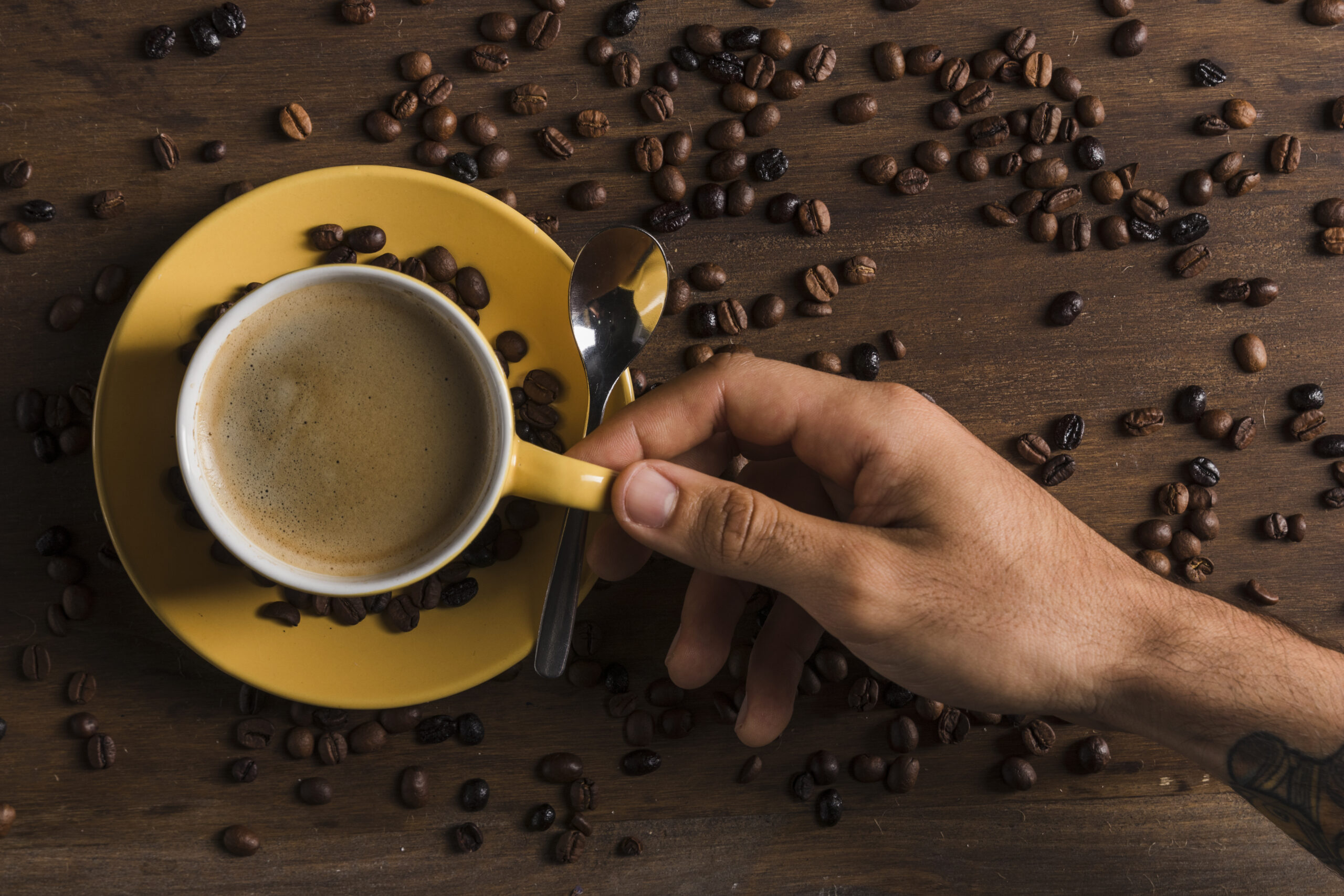
While the optimal dose of caffeine is important, the quality of coffee beans also significantly influences their effectiveness and health impact for a sportsperson. High-quality, premium coffee beans, which are organically sourced, ensures a consistent caffeine dosage per serving, allowing athletes to adjust their dosage precisely. While playing games like table tennis and badminton, which require fast response times and continuous focus, the quality of beans can make a difference.
Poor-quality coffee often has inconsistent caffeine content, which can do more harm than good. Highly acidic coffee can lead to stomach ache, heartburn and digestive issues, which can degrade athletes’ performance. Poor quality beans may also affect the quality of sleep, leading to disruption in cognitive function and muscle recovery. Therefore, premium quality coffee means premium performance in the competition.
Poor-quality coffee often has inconsistent caffeine content, which can do more harm than good. Highly acidic coffee can lead to stomach ache, heartburn and digestive issues, which can degrade athletes’ performance. Poor quality beans may also affect the quality of sleep, leading to disruption in cognitive function and muscle recovery. Therefore, premium quality coffee means premium performance in the competition.
3. Types of Brewing Method
How coffee is brewed is important to understand, as it directly influences how caffeine is released and absorbed by the body. There are a few popular coffee brewing methods, such as espresso, cold brew, lighter roasts, pour-over and instant coffee that concentrate caffeine differently. What brewing method an athlete chooses is a key to improving their performance by increasing concentration, energy and stamina in games like gymnastics and lawn bowls.
The espresso method produces coffee with a high amount of caffeine, which can give a quick boost without drinking excessive liquid that can cause stomach discomfort. Cold brew has a high caffeine concentration and follows an extended absorption time, allowing athletes to sustain energy for longer durations. Pour-over coffee provides a stable release of energy that provides mental endurance for an extended time. Instant coffee can have more caffeine than brewed coffee, which can also be a convenient option. Hence, when choosing coffee for energy, choose the one that aligns with your training demand and cognitive needs.
The espresso method produces coffee with a high amount of caffeine, which can give a quick boost without drinking excessive liquid that can cause stomach discomfort. Cold brew has a high caffeine concentration and follows an extended absorption time, allowing athletes to sustain energy for longer durations. Pour-over coffee provides a stable release of energy that provides mental endurance for an extended time. Instant coffee can have more caffeine than brewed coffee, which can also be a convenient option. Hence, when choosing coffee for energy, choose the one that aligns with your training demand and cognitive needs.
4. Pure and Minimal Additives
Fitness professionals and athletes often prefer pure, black coffee over flavoured drinks because of the number of benefits. When coffee is consumed without any additives, artificial creamers or sugars, it allows the body to absorb caffeine more efficiently. Athletes can experience a gradual rise in alertness rather than sudden spikes or crashes due to too much sugar or artificial flavours in the coffee. Pure coffee provides steady, clean energy to the body without this metabolic rollercoaster.
Furthermore, heavy additives like a large amount of milk or cream can be difficult to digest before or during games, leading to gastrointestinal problems or nausea. On the contrary, pure coffee is easier to digest when consumed 30 to 60 minutes prior to games. Pure coffee also retains Polyphenols, antioxidants and micronutrients found in high-quality coffee beans.
Furthermore, heavy additives like a large amount of milk or cream can be difficult to digest before or during games, leading to gastrointestinal problems or nausea. On the contrary, pure coffee is easier to digest when consumed 30 to 60 minutes prior to games. Pure coffee also retains Polyphenols, antioxidants and micronutrients found in high-quality coffee beans.
5. Moderate Acidity and Smooth Flavour
For athletes who rely on mental stability and sharpness to win a game, moderate acidity and smooth flavour in coffee play a crucial role. Certain coffee for metabolism comes with moderate acidity that creates a stimulating experience and prevents discomfort in the stomach, which some overly acidic coffee does. Balanced acidity also improves absorption of antioxidants in the body, resulting in improved mental sharpness and overall health of the nervous system.
Smooth-flavoured drinks further improve attention by delivering an enjoyable drinking experience, rather than a bitter-flavoured drink that leads to overstimulation. Athletes who drink smoother blends have claimed to experience better mood, improved reaction time and steadier energy levels. Acid-sensitive athletes can choose specific coffee for energy, such as cold-brewed, dark-roasted, or labelled as low-acidic, allowing them to reap the full performance benefits of caffeine.
Smooth-flavoured drinks further improve attention by delivering an enjoyable drinking experience, rather than a bitter-flavoured drink that leads to overstimulation. Athletes who drink smoother blends have claimed to experience better mood, improved reaction time and steadier energy levels. Acid-sensitive athletes can choose specific coffee for energy, such as cold-brewed, dark-roasted, or labelled as low-acidic, allowing them to reap the full performance benefits of caffeine.
6. Frequencies and Time of Consumption
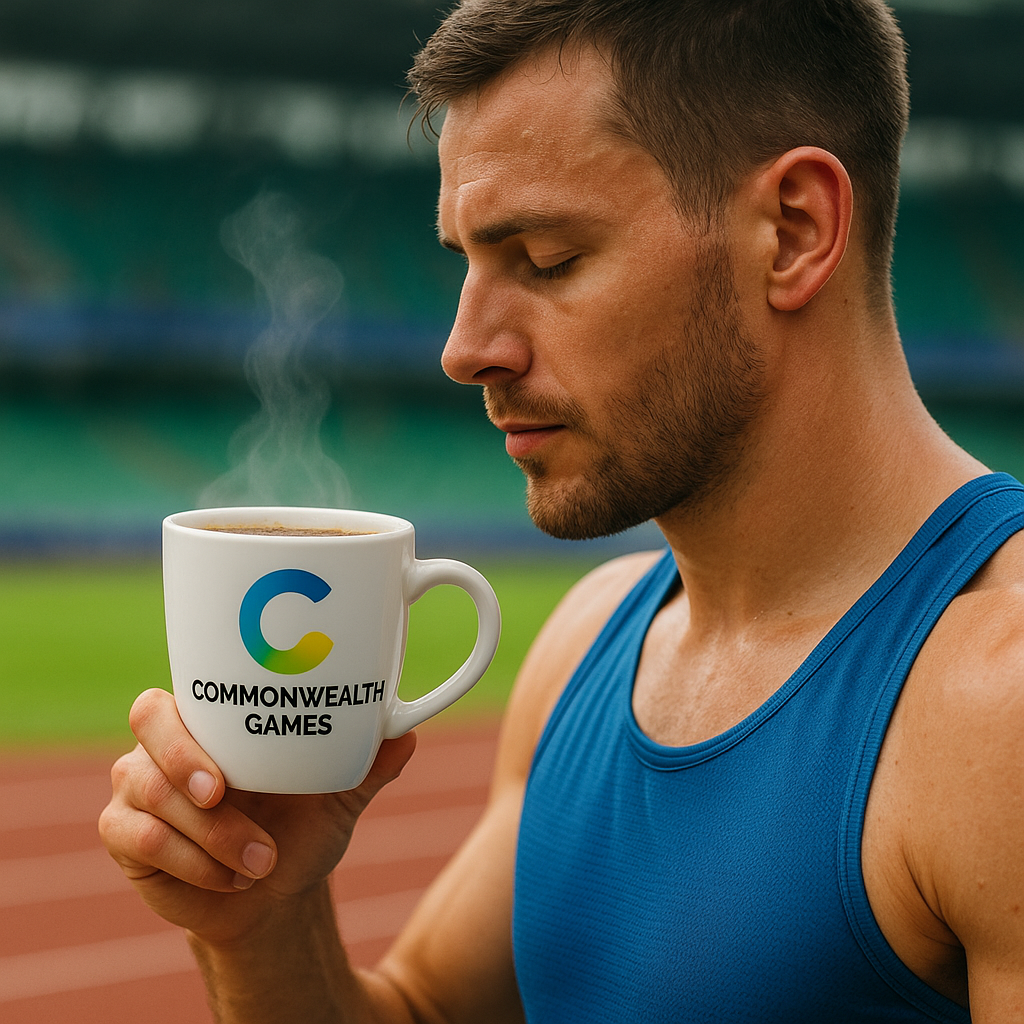
How often and when to drink play a critical role for an athlete looking to leverage the maximum benefits of caffeine intake. Most studies suggest drinking 1 to 3 cups of coffee per day for professional athletes, with an ideal time gap of 4 to 6 hours between two cups. Caffeine can stay in your body for 4-6 hours. By waiting for this time before the next cup, you allow proper absorption of caffeine into the body without overlapping caffeine overdoses, which can cause jitteriness or a sudden crash.
What time of day do you drink coffee is also equally important. One cup in the morning, as soon as you get up, helps kick-start your day with focus. Another cup 30 to 60 minutes before the practise session or game can help you sustain attention and increase concentration. Avoid drinking coffee 6 to 8 hours before bedtime, as it can delay your sleep, which is crucial for cognitive function and recovery. Understanding when to drink and when not to can help athletes maintain optimal health and performance.
What time of day do you drink coffee is also equally important. One cup in the morning, as soon as you get up, helps kick-start your day with focus. Another cup 30 to 60 minutes before the practise session or game can help you sustain attention and increase concentration. Avoid drinking coffee 6 to 8 hours before bedtime, as it can delay your sleep, which is crucial for cognitive function and recovery. Understanding when to drink and when not to can help athletes maintain optimal health and performance.
General Benefits of Caffeine for Commonwealth Athletes
● Coffee improves endurance in athletes by significantly delaying the onset of fatigue.
● Coffee increases muscle strength and movement velocity, benefiting a range of Commonwealth Games.
● Coffee decreases the perceived feeling of muscle pain, allowing athletes to push themselves harder and longer in the competition.
● Coffee increases muscle strength and movement velocity, benefiting a range of Commonwealth Games.
● Coffee decreases the perceived feeling of muscle pain, allowing athletes to push themselves harder and longer in the competition.
Conclusion
Coffee is one of the most effective supplements to increase concentration and stamina. For athletes, coffee is not just a drink, but a tool to boost their focus, strength, endurance and attention. By choosing the right coffee with premium coffee beans and minimal additives, coffee can create mental and physical readiness that can help athletes with peak competition in the Commonwealth Games. If you are looking for premium coffee brews, head over to CupKatha – a company that makes coffee using 100% natural ingredients, so you can savour coffee as well as deliver optimum performance in the Commonwealth Games.
5 FAQs — quick answers for CupKatha readers
Can I lose weight by drinking only coffee?
No. Coffee can modestly help metabolism and appetite, but lasting weight loss requires a calorie deficit created through diet and activity. Use coffee as an aid, not a replacement for healthy habits.
Is Arabica better than Robusta for weight loss?
Arabica is usually preferred for flavour and has slightly different caffeine/CGA profiles. Both contain beneficial compounds; the choice should be based on taste and tolerance. Lighter roasts preserve more CGAs.
How much coffee is safe and effective?
Moderate caffeine intake (about 200–400 mg/day for most adults — roughly 2–4 cups, depending on strength) is commonly considered safe and can show metabolic effects. Individual sensitivity varies; pregnant people and those with certain conditions should consult a clinician.
Should I drink green coffee extract or supplements?
Some trials show green coffee extract (CGA) helps modestly, but supplements vary in quality. Prefer whole-bean specialty coffees when possible and consult a healthcare professional before using supplements.
When is the best time to drink coffee for weight support?
Many people benefit from a morning cup and/or a pre-exercise coffee to boost workout intensity and fat oxidation. Avoid late-evening caffeine to protect sleep quality.